
Planning High-Quality Padel Courts Effectively

The sport of padel has witnessed an extraordinary surge in popularity across North America, prompting a growing demand for premium courts that meet the highest standards of quality and performance. In response to this trend, I have compiled an authoritative guide that elucidates the essential considerations and best practices for planning premium padel courts. This guide is designed to assist private individuals, schools, sports clubs, hotels, and local authorities in making informed decisions that will ensure the longevity, safety, and enjoyment of their padel facilities.
Understanding the Fundamentals of Planning Premium Padel Courts
The foundation of any successful padel court project lies in a meticulous understanding of the sport’s specific requirements and the environmental context in which the court will be situated. The dimensions of a standard padel court are fixed at 20 meters in length and 10 meters in width, enclosed by walls that are integral to gameplay. However, beyond these basic measurements, several factors demand careful attention:
Site Selection and Orientation: The court should ideally be positioned to minimize direct sunlight interference during peak playing hours. A north-south orientation is often recommended to reduce glare and shadows that can impair visibility.
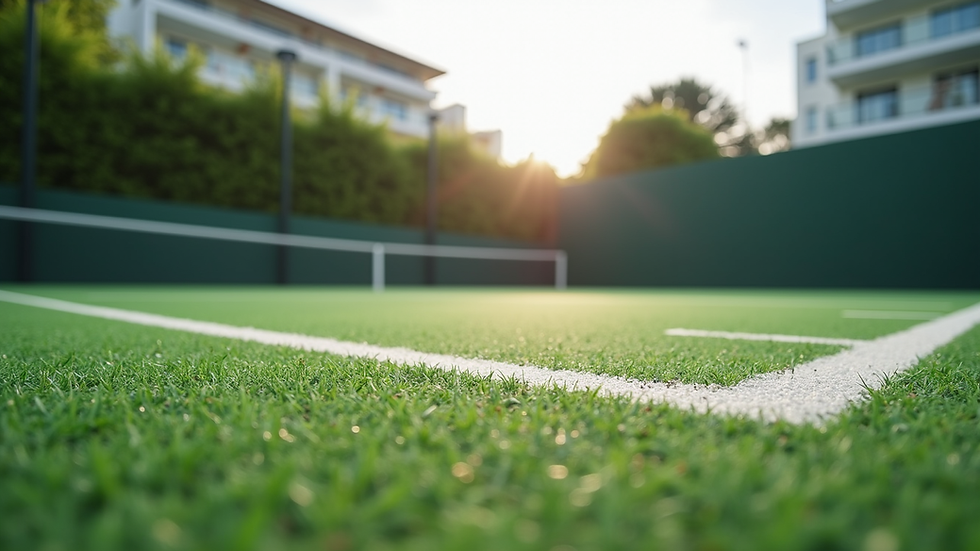
Surface Material: The choice of surface material significantly influences player performance and injury prevention. Synthetic turf with sand infill is widely regarded as the optimal surface, providing excellent traction and shock absorption.
Drainage and Weather Resistance: Effective drainage systems are indispensable to prevent water accumulation and surface degradation. Additionally, materials and construction techniques must be selected to withstand local climatic conditions, ensuring durability.

Strategic Considerations in Planning Premium Padel Courts
When embarking on the project of planning premium padel courts, it is imperative to adopt a strategic approach that encompasses both immediate needs and future scalability. This approach involves a series of deliberate steps:
Needs Assessment: Evaluate the anticipated usage frequency, target user groups, and budget constraints. For instance, a school may prioritize safety and ease of maintenance, whereas a sports club might emphasize professional-grade specifications.
Regulatory Compliance: Ensure adherence to local building codes, zoning laws, and sport federation guidelines. This compliance not only guarantees legal operation but also enhances the court’s credibility.
Infrastructure Integration: Consider the integration of ancillary facilities such as lighting systems, seating areas, and protective fencing. These elements contribute to the overall user experience and operational efficiency.
Sustainability Practices: Incorporate eco-friendly materials and energy-efficient lighting to reduce environmental impact and operational costs.
By systematically addressing these considerations, one can achieve a harmonious balance between functionality, aesthetics, and sustainability.

Selecting the Optimal Materials and Technologies
The selection of materials and technologies is arguably the most critical phase in the construction of premium padel courts. The durability, safety, and playability of the court hinge upon these choices. Key components include:
Playing Surface: As previously mentioned, synthetic turf with sand infill is preferred. The turf should be UV-resistant and possess a pile height conducive to ball bounce and player movement.
Glass Walls and Fencing: Tempered glass panels are standard for enclosing the court, offering both visibility and resilience. The supporting metal framework must be galvanized or powder-coated to prevent corrosion.
Lighting Systems: LED lighting with adjustable intensity ensures optimal visibility during evening play while conserving energy.
Protective Covers: To safeguard the court from adverse weather, high-quality protective covers are essential. These covers extend the lifespan of the court and reduce maintenance requirements.
Incorporating advanced technologies such as automated lighting controls and weather monitoring systems can further enhance the court’s functionality and user satisfaction.

The Importance of Expert Collaboration and Professional Installation
The complexity of planning and constructing premium padel courts necessitates collaboration with experienced professionals who specialize in this niche. Engaging with reputable providers ensures that every aspect, from design to installation, adheres to the highest standards. Benefits of professional involvement include:
Customized Design Solutions: Experts can tailor court designs to specific site conditions and client preferences, optimizing space utilization and aesthetics.
Quality Assurance: Professional installers employ precise techniques and quality materials, minimizing the risk of defects and ensuring compliance with sport regulations.
Project Management: Coordinated project oversight reduces delays and cost overruns, delivering the court on schedule and within budget.
After-Sales Support: Reliable providers offer maintenance services and warranty coverage, safeguarding the investment over time.
For those seeking to embark on this endeavor, I recommend exploring options with established companies such as Padel Craft USA, which specialize in planning high-quality padel courts and provide comprehensive solutions tailored to diverse client needs.
Maximizing the Value and Longevity of Padel Courts
Once the court is constructed, attention must shift to its maintenance and operational management to preserve its premium status. Effective strategies include:
Regular Surface Cleaning and Grooming: Removing debris and redistributing sand infill maintains surface integrity and playing conditions.
Routine Inspection of Structural Elements: Checking glass panels, fencing, and lighting fixtures for damage or wear prevents safety hazards.
Seasonal Protective Measures: Utilizing protective covers during off-season or inclement weather periods reduces exposure to damaging elements.
User Education and Facility Management: Implementing guidelines for court usage and scheduling maintenance windows ensures optimal court availability and condition.
By adopting these practices, the court’s performance and aesthetic appeal can be sustained for many years, thereby maximizing the return on investment.
In summary, the process of planning premium padel courts demands a comprehensive, detail-oriented approach that integrates technical expertise, strategic foresight, and a commitment to quality. By adhering to the principles and recommendations outlined herein, stakeholders can confidently develop padel facilities that not only meet but exceed expectations, fostering a vibrant and enduring padel community.


Comments