
Designing and Planning Your Padel Court

The sport of padel has witnessed an extraordinary surge in popularity, prompting a growing demand for well-designed and meticulously planned courts. Whether the objective is to enhance a private residence, augment the facilities of a sports club, or provide an engaging amenity for a hotel or school, the process of designing and planning a padel court requires a thorough understanding of technical specifications, site considerations, and user needs. In this article, I will guide you through the essential aspects of planning a padel court, ensuring that your investment yields a facility that is both functional and aesthetically pleasing.
Essential Considerations When Planning a Padel Court
Planning a padel court involves a series of deliberate decisions that influence the court’s usability, durability, and compliance with official standards. The first step is to select an appropriate location that offers sufficient space and accessibility. Ideally, the site should be flat and well-drained to prevent water accumulation, which can compromise the playing surface and structural integrity.
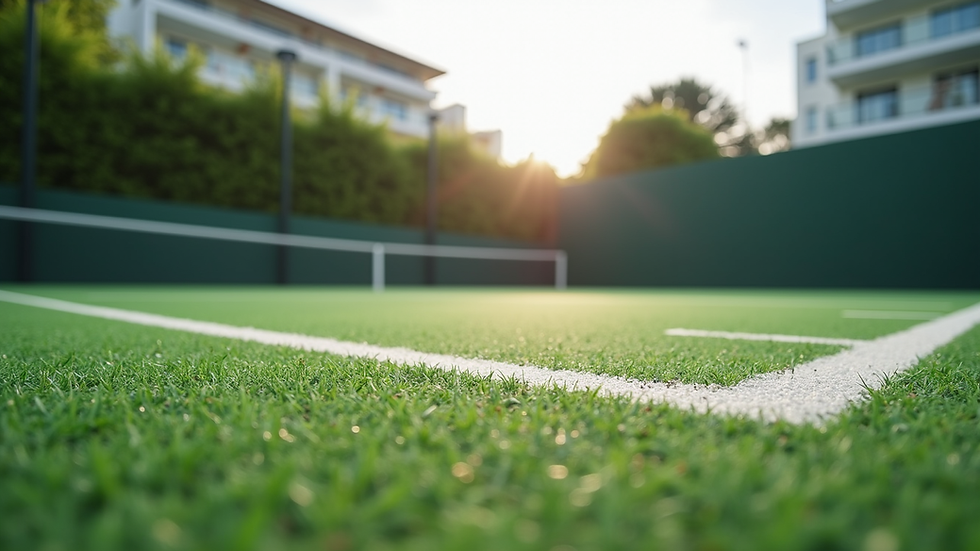
The dimensions of a standard padel court are precisely defined: 20 meters in length and 10 meters in width, enclosed by walls or glass panels that are integral to the game’s dynamics. It is imperative to adhere to these measurements to ensure the court meets official regulations and provides an authentic playing experience. Additionally, the surface material must be chosen with care; synthetic turf with sand infill is the most prevalent option, offering excellent traction and shock absorption.
Lighting is another critical factor, especially for courts intended for evening use. The illumination must be uniform and sufficiently bright to avoid shadows or glare that could impair players’ vision. Installing LED floodlights with adjustable angles is often the most effective solution.

Strategic Steps in Planning a Padel Court
The process of planning a padel court can be broken down into several strategic steps, each requiring careful attention to detail:
Site Assessment and Preparation
Conduct a thorough evaluation of the proposed site, including soil testing and topographical surveys. This ensures the ground can support the court’s structure and drainage systems.
Design and Layout
Develop detailed plans that incorporate the court’s dimensions, fencing, lighting, and access points. It is advisable to consult with experts who specialize in padel court design and planning to guarantee compliance with industry standards.
Material Selection
Choose high-quality materials for the playing surface, walls, and fencing. Durability and maintenance requirements should guide these choices to maximize the court’s lifespan.
Construction and Installation
Engage experienced contractors who understand the nuances of padel court construction. Precision during installation is paramount to avoid future issues such as uneven surfaces or inadequate lighting.
Final Inspection and Certification
Upon completion, the court should undergo a rigorous inspection to verify that all specifications have been met. Certification from relevant sports authorities can enhance the court’s credibility and appeal.

How Profitable Are Padel Courts?
The profitability of padel courts has become a subject of considerable interest among investors and facility managers. The sport’s rapid expansion has created a lucrative market, particularly in North America, where demand continues to outpace supply. Several factors contribute to the financial viability of padel courts:
Membership and Usage Fees
Charging hourly rates or membership fees can generate steady revenue. Courts located in densely populated areas or within established sports complexes tend to attract more users.
Tournaments and Events
Hosting local or regional tournaments can increase visibility and income. These events often draw sponsorships and media attention, further enhancing profitability.
Ancillary Services
Offering coaching, equipment rental, and merchandise sales can diversify income streams. Providing high-quality amenities encourages repeat visits and customer loyalty.
Low Maintenance Costs
Compared to other sports facilities, padel courts require relatively modest upkeep, especially when constructed with durable materials and proper drainage.
In summary, a well-planned padel court can become a highly profitable asset, provided that it is strategically located and managed with a focus on customer experience.

Technical Specifications and Compliance
Adhering to technical specifications is indispensable for ensuring that the padel court meets both regulatory requirements and player expectations. The International Padel Federation (FIP) provides comprehensive guidelines that cover every aspect of court construction, from dimensions to materials.
Court Dimensions: The playing area must measure exactly 20 meters by 10 meters, enclosed by walls that are 3 meters high at the back and 2 meters high on the sides.
Surface Material: Synthetic turf with sand infill is preferred for its balance of grip and cushioning. The turf must be installed over a stable base to prevent deformation.
Walls and Fencing: Glass walls are standard for the back and part of the sides, allowing for ball rebound and spectator visibility. The remaining fencing should be made of galvanized steel mesh.
Lighting: The recommended illumination level is 300 lux, evenly distributed to avoid shadows.
Drainage: Proper drainage systems must be integrated to prevent water pooling, which can damage the surface and disrupt play.
Compliance with these specifications not only ensures a superior playing experience but also facilitates insurance and certification processes.
Enhancing User Experience and Longevity
Beyond the technical and financial considerations, the ultimate success of a padel court depends on the quality of the user experience and the facility’s longevity. To this end, several enhancements can be incorporated:
Protective Covers: Installing protective covers can shield the court from adverse weather, extending its usable life and reducing maintenance costs.
Seating and Amenities: Providing comfortable seating, shade structures, and hydration stations enhances player comfort and encourages longer visits.
Accessibility: Designing the court with accessibility in mind ensures that it can be enjoyed by players of all abilities.
Regular Maintenance: Establishing a routine maintenance schedule, including turf grooming and lighting checks, preserves the court’s condition and safety.
By prioritizing these elements, the padel court becomes not only a venue for sport but also a community asset that attracts and retains users.
In conclusion, the meticulous process of designing and planning a padel court demands a comprehensive approach that balances technical precision, financial prudence, and user-centric enhancements. By adhering to established standards and incorporating thoughtful features, one can create a padel facility that stands as a premier destination for players and enthusiasts alike.


Comments