
Designing and Planning Exceptional Padel Courts

The sport of padel has witnessed an extraordinary surge in popularity across North America, prompting a growing demand for meticulously designed and expertly planned courts. Whether the objective is to enhance a private residence, a school facility, a sports club, a hotel, or a municipal park, the creation of an exceptional padel court requires a comprehensive understanding of both technical specifications and user experience. In this discourse, I shall elucidate the critical elements that underpin the successful design and planning of padel courts, offering practical insights and actionable recommendations to ensure that every project achieves the highest standards of quality and functionality.
Padel Court Planning Essentials: Foundations of Excellence
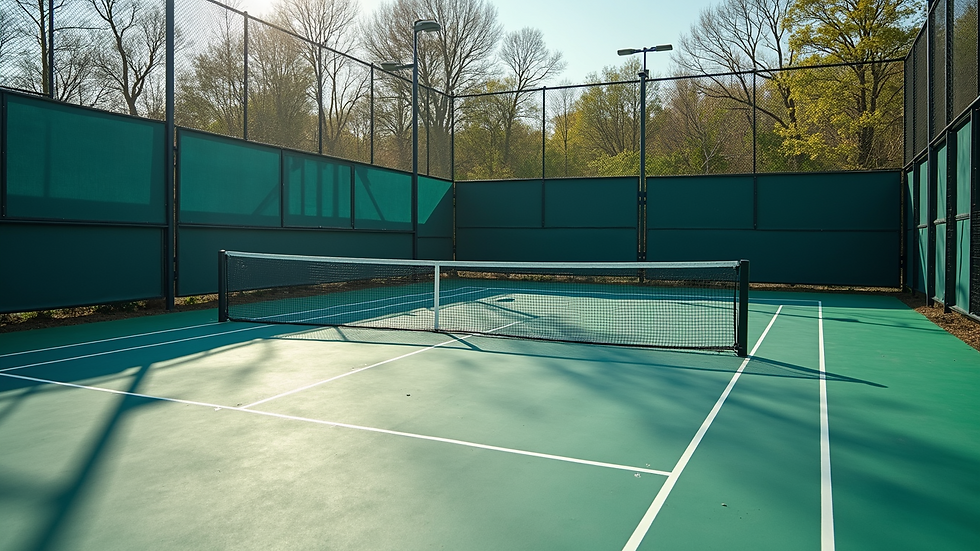
The foundation of any outstanding padel court lies in a rigorous planning process that addresses spatial requirements, surface materials, lighting, and safety considerations. The standard dimensions for a padel court are 20 meters in length and 10 meters in width, enclosed by walls or fences that facilitate the unique rebound play characteristic of the sport. It is imperative to allocate sufficient clearance around the court to accommodate player movement and spectator areas, typically an additional 2 to 3 meters on all sides.
Surface selection is paramount; the playing surface must provide optimal traction and shock absorption to minimize injury risk while enhancing ball bounce consistency. Artificial turf with sand infill is widely regarded as the superior choice, offering durability and excellent playing characteristics. Additionally, the court’s foundation must ensure proper drainage to prevent water accumulation, which can compromise both safety and playability.
Lighting design demands equal attention, particularly for facilities intended for evening use. Uniform illumination of at least 300 lux across the entire court surface is recommended, with fixtures positioned to eliminate shadows and glare. This enhances visibility and player performance, while also contributing to the court’s aesthetic appeal.

Structural and Material Considerations for Longevity and Performance
The structural integrity of a padel court is a decisive factor in its longevity and user satisfaction. The enclosure typically consists of tempered glass panels and metal mesh fencing, which must be engineered to withstand significant impact forces without compromising transparency or safety. The glass panels should be at least 10 millimeters thick, mounted securely on a robust frame to prevent movement during play.
Metal components require corrosion-resistant coatings, especially in regions with high humidity or exposure to salt air, to ensure durability. The choice of materials extends to the court’s substructure, where reinforced concrete slabs provide a stable and level base. This base must be meticulously leveled to within millimeter tolerances to avoid irregular ball behavior.
Incorporating sustainable materials and energy-efficient lighting systems can further enhance the court’s appeal, aligning with contemporary environmental standards and reducing operational costs. For example, LED lighting not only consumes less power but also offers superior color rendering, which benefits both players and spectators.
What is the 40-40 Rule in Padel?
Understanding the rules of padel is essential for designing courts that facilitate fair and enjoyable play. The 40-40 rule, also known as deuce, is a critical scoring concept that influences match dynamics. When both teams reach 40 points, the score is tied, and a team must win by two consecutive points to secure the game. This rule introduces a heightened level of competition and strategic play, necessitating courts that support clear visibility of scoreboards and unobstructed player movement.
From a design perspective, accommodating the 40-40 rule means ensuring that the court layout allows for smooth transitions between points and that the playing surface maintains consistent ball behavior under pressure situations. Additionally, the placement of seating and scoreboards should enable players and officials to monitor the score effortlessly, thereby enhancing the overall match experience.
Integrating Technology and Amenities for Enhanced User Experience
Modern padel courts benefit significantly from the integration of technology and amenities that elevate the user experience. Automated lighting controls, weather-resistant sound systems, and digital scoreboards contribute to a professional atmosphere that appeals to both casual players and competitive athletes. Furthermore, the inclusion of protective covers extends the usability of the court by shielding it from adverse weather conditions, thereby maximizing return on investment.
When planning amenities, it is prudent to consider the needs of diverse user groups. For instance, schools and sports clubs may require multi-court configurations with adjacent locker rooms and spectator seating, while hotels might prioritize aesthetic landscaping and privacy features. Accessibility is another crucial factor; courts should comply with ADA standards to accommodate players with disabilities, ensuring inclusivity.
The strategic placement of benches, water stations, and shaded rest areas enhances comfort and encourages longer play sessions. These elements, while seemingly ancillary, contribute substantially to the court’s reputation and user satisfaction.

Navigating Regulations and Partnering with Experts
Compliance with local regulations and industry standards is indispensable in the design and construction of padel courts. Zoning laws, building codes, and safety regulations vary by jurisdiction and must be thoroughly researched prior to project initiation. Engaging with experienced architects, engineers, and construction firms specializing in padel court projects ensures adherence to these requirements and mitigates potential legal complications.
Moreover, collaboration with reputable suppliers and manufacturers, such as Padel Craft USA, provides access to high-quality materials and expert guidance. Their comprehensive knowledge of padel court design and planning enables clients to make informed decisions that balance cost, quality, and performance.
In conclusion, the creation of exceptional padel courts demands a holistic approach that integrates precise planning, superior materials, technological enhancements, and regulatory compliance. By adhering to these principles, one can deliver facilities that not only meet but exceed expectations, fostering the growth of padel as a premier sport across North America.


Comments